FeaturedFounder story
Why we are building Buildaloo
What six months of Friday afternoons with my daughters, one podcast moment, and an old teammate turned into a product.
By Joao Aguiam & Alex Spahn
What we're building, what kids are making, and what we're learning along the way.

What six months of Friday afternoons with my daughters, one podcast moment, and an old teammate turned into a product.


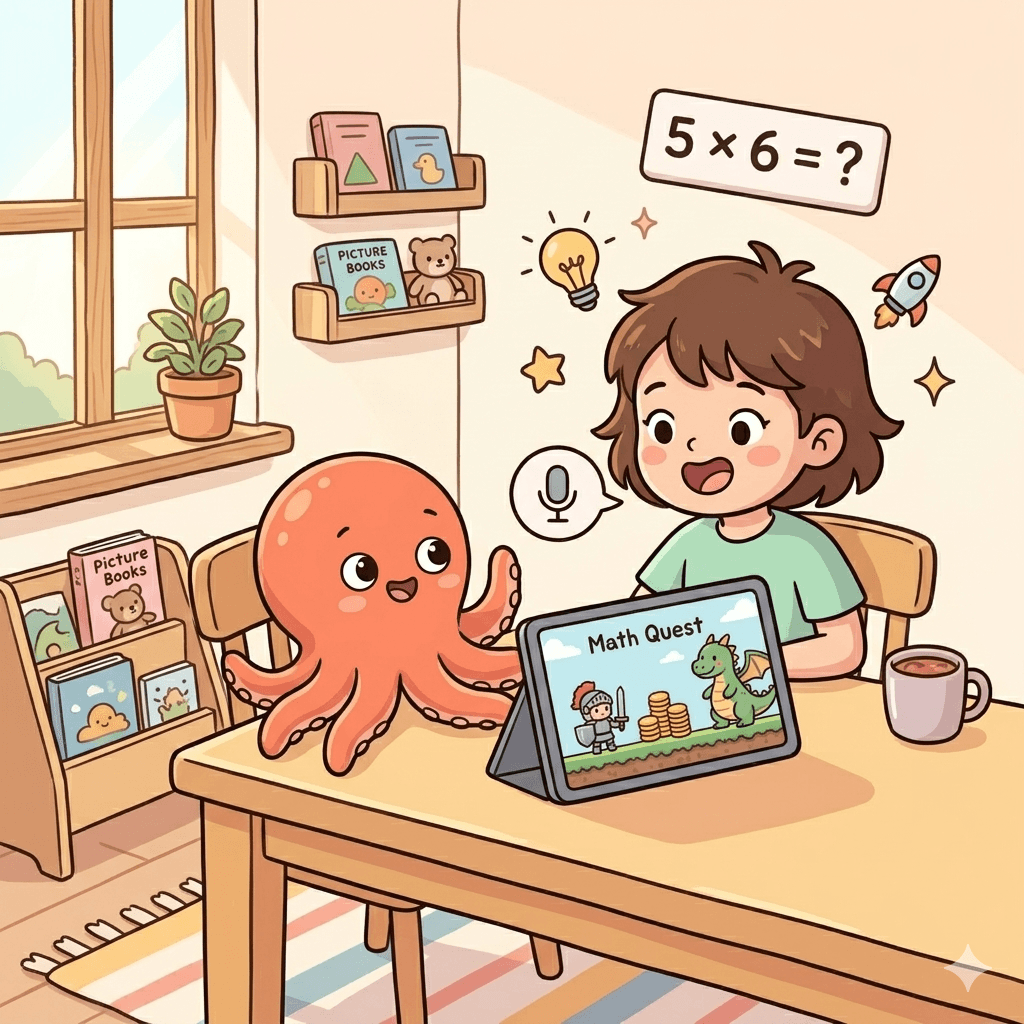
ABCmouse and similar worksheet-style apps work brilliantly until about Year 2. Then most 7-year-olds plateau. Here is the case for moving from rote-learning apps to a creative workshop where your child builds the games instead of playing them, and what that looks like in practice for a Key Stage 1 reader.
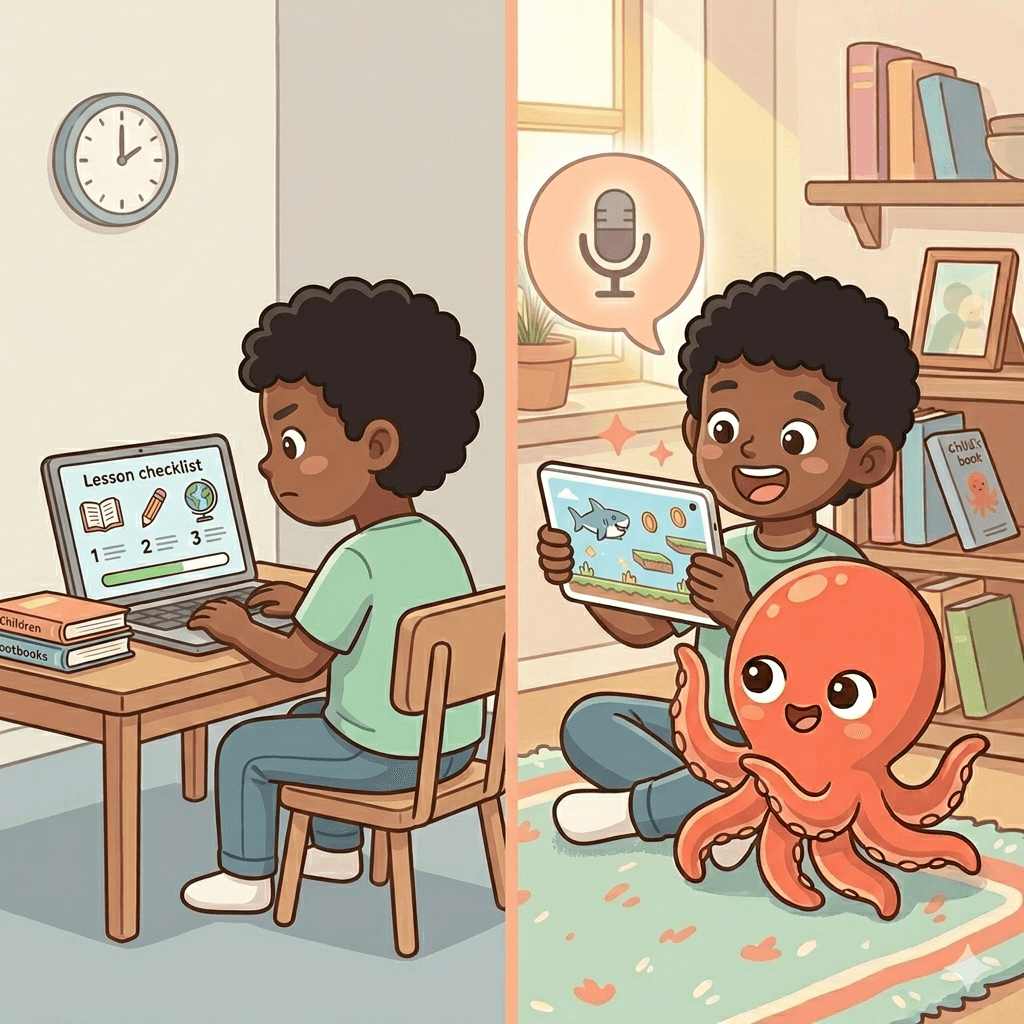
Is Tynker still worth it in 2026? An honest head-to-head for parents choosing between a curriculum-heavy coding class at home and AI-directed creative play.
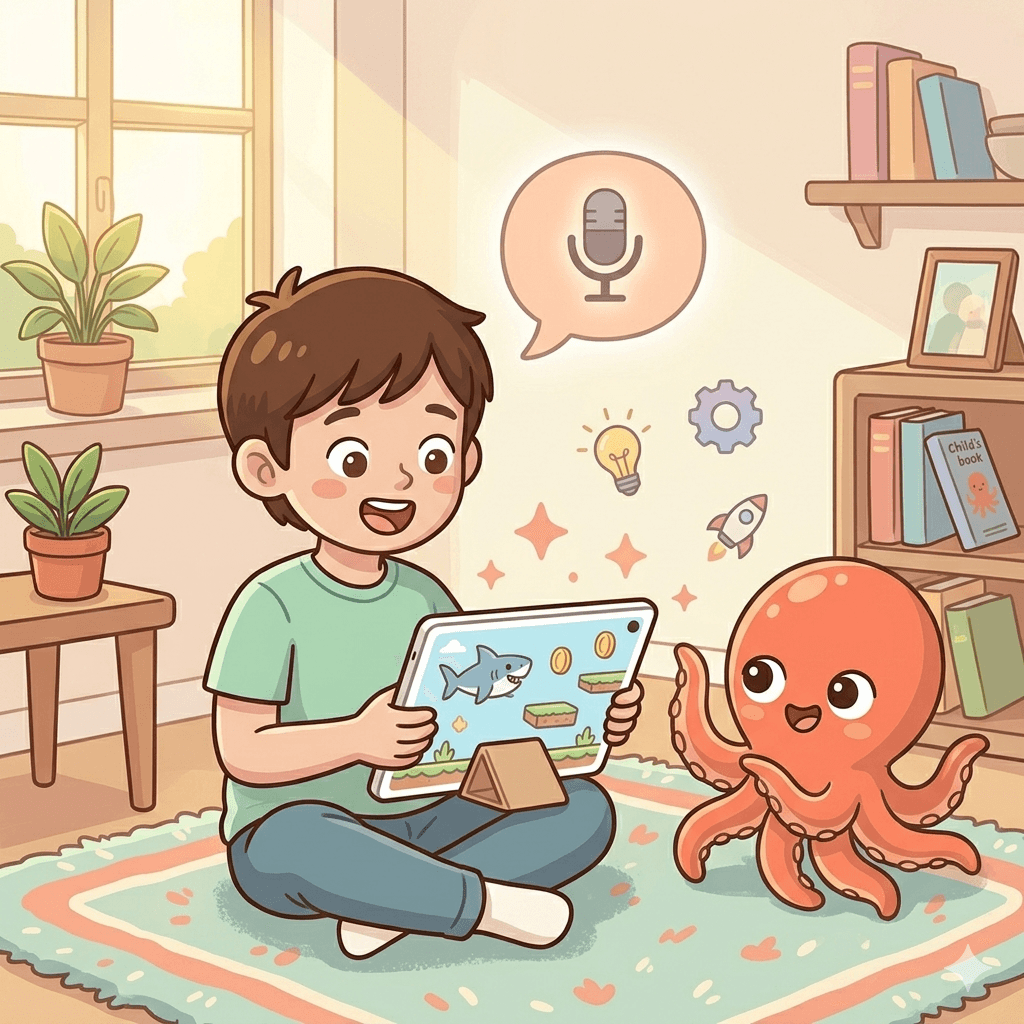
Your child outgrew block dragging, and the rest of the market looks like more of the same. Here are the seven platforms we'd actually recommend in 2026, ranked for parents whose kids are ready to describe a game rather than puzzle one together.
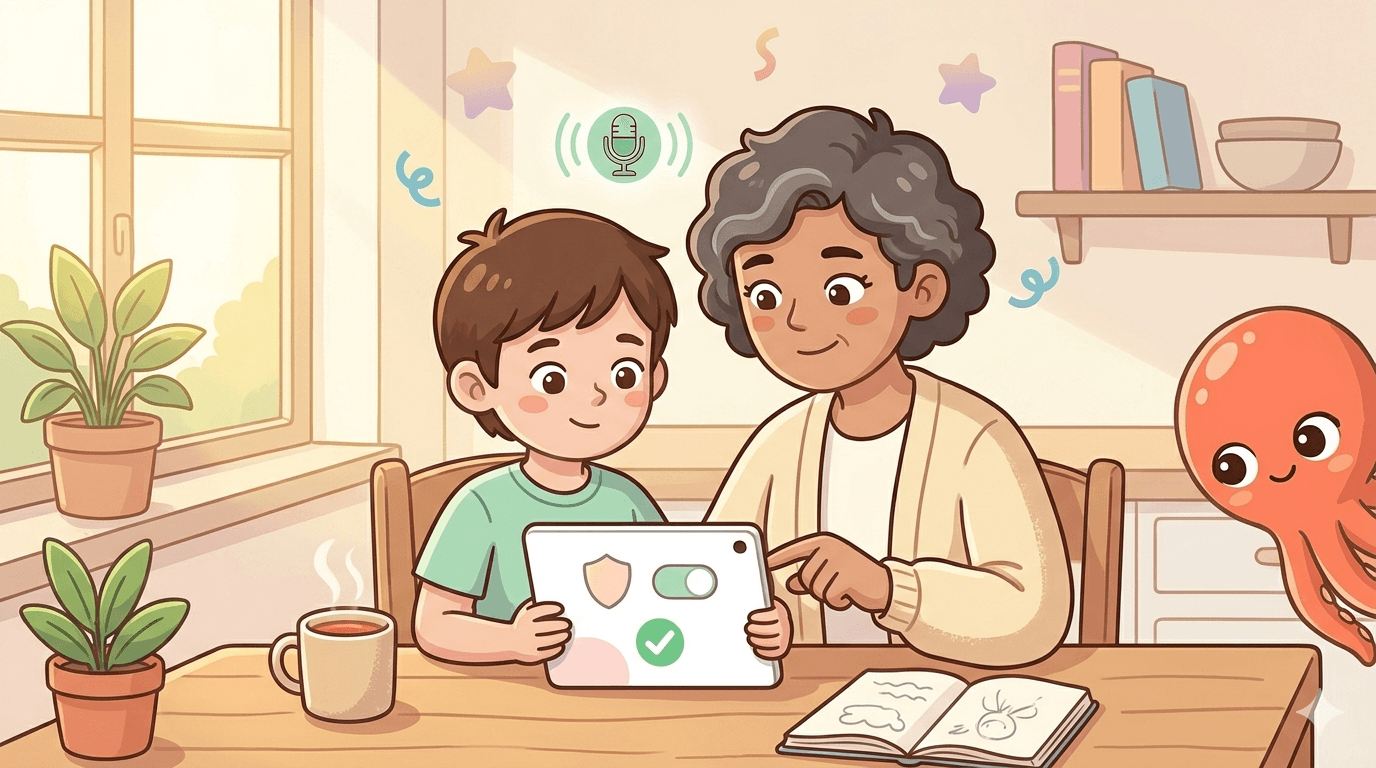
On April 13, 2026, Roblox split kids' accounts into two new tiers and switched chat off by default for under-9s. Here's a balanced read on what changed, what the Australian fine threats actually mean, and where the real safety bar sits.
AI literacy for 7-year-olds is not a watered-down version of the adult conversation. It's the actual ground floor: the moment a child stops being shaped by invisible algorithms and starts directing visible ones. Here's the framework that makes age 7 the inflection year, and what a real Key Stage 1 / 2nd Grade AI literacy curriculum looks like in practice.
Vibe coding was Collins Dictionary's Word of the Year 2025. Here's what it means for kids, why it's the biggest shift in kid-made games since Scratch, and how your child can build their first game this weekend.
Six safer game platforms where kids build their own games instead of playing strangers'. Compared on age-fit, chat safety, and creation-vs-consumption.